
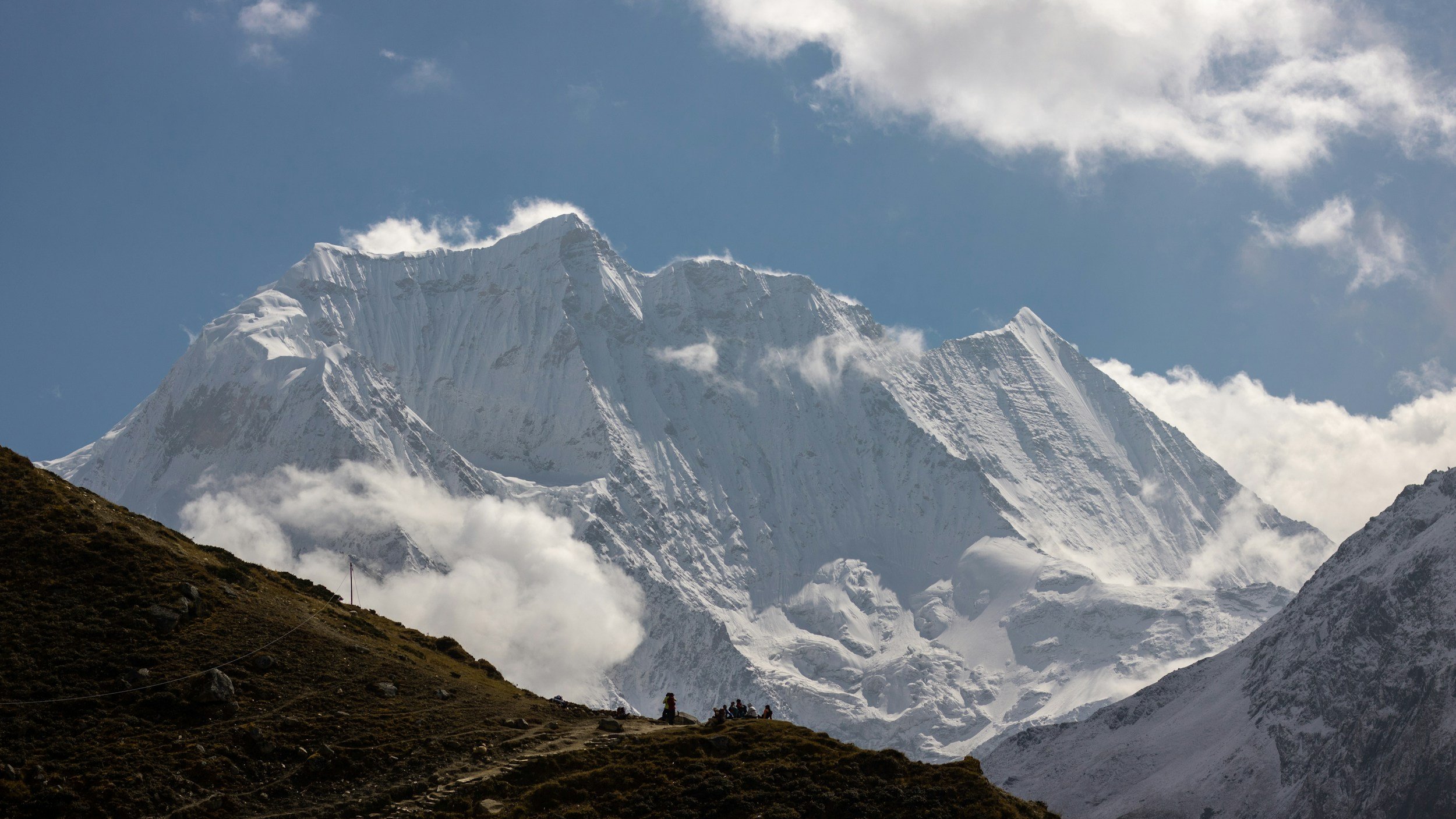
Nepal’s hidden sacred valley, closed to outsiders until 2008
Tsum Valley is often called the “Valley of Happiness” — a remote, restricted-area valley branching off the Manaslu Circuit into a world that feels genuinely untouched. Closed to foreign trekkers until 2008, Tsum remains one of the least-visited regions in Nepal, home to the Tsumba people and a Tibetan Buddhist culture found almost nowhere else on earth.
The trail follows the Budhi Gandaki River before branching away from the main Manaslu route into the narrow gorge that forms the gateway to Tsum. From there, ancient monasteries, mani walls, and stone villages carry you deeper into a valley still governed by its own traditional customs. This is not a trek you can do independently — a Restricted Area Permit and registered guide are required by law, which is exactly why it has stayed so quietly untouched.
No other CAT trek carries the same depth of Community Action Nepal connection. Along this route you’ll visit five separate CAN project sites — health posts and community infrastructure built and supported through decades of CAN’s work in this valley — before a final debrief with CAN representatives in Kathmandu at the end of the trip.
You will visit CAN project sites in Phillim, Chumling, Chumchet, Nile and Ripchet — more than any other trek in the CAT portfolio — and attend a final CAN debrief meeting in Kathmandu before you depart.
Land only · flights not included
Based on a minimum of 4 guests
Tsum Valley runs as a tailor-made trip rather than a fixed group departure — we'll agree dates that work for you and your group, subject to Restricted Area permit lead times and the trekking season.
Register Your Interest Book a Free CallMinimum group size applies under Nepal’s Restricted Area regulations. Maximum 12. Register your interest and we’ll confirm pricing and dates as soon as they’re finalised.
Everything taken care of
- 4 nights hotel accommodation in Kathmandu at Hotel Malla (B&B basis)
- 14 nights lodge & homestay accommodation on twin sharing basis
- All ground transportation as per itinerary (Kathmandu – Machhakhola – Kathmandu by 4WD)
- Full board throughout the trek — 3 meals a day with tea/coffee/hot lemon/hot chocolate
- 11 days’ Restricted Area Special Entry Permit fee
- Manaslu Conservation Area entry fee & local VDC fee
- Expert English-speaking trekking guide throughout
- All required Sherpa support (dependent on group size)
- Required local porters (2 guests per porter, maximum 15kg luggage)
- Group first aid kit and medical supplies
- All Nepalese staff insurance as per government regulations
- Final CAN debrief meeting in Kathmandu
- £50 Community Action Nepal donation per person
- VAT and government taxes
What to budget for
- International flights to/from Kathmandu
- Nepal visa (obtained on arrival)
- Food during your stay in Kathmandu
- Travel and trekking insurance (mandatory, must cover helicopter evacuation)
- Personal spending money and tips
- Photography, monument and entry charges
- Personal trekking equipment
- Emergency evacuation costs (covered by insurance)
Insurance is mandatory. We require comprehensive travel and trekking insurance including emergency helicopter evacuation cover. We’re happy to recommend providers.
19 days into Nepal’s Valley of Happiness
Your full Tsum Valley itinerary
Welcome to Kathmandu. A CAT representative will greet you at the airport exit gate holding our company nameplate, and transfer you directly to Hotel Malla. Spend the rest of the day settling in and recovering from your flight, or exploring the atmospheric streets and markets around your hotel.
A day to prepare for the journey ahead. Buy or rent any last kit in Thamel, exchange currency, or visit Kathmandu Durbar Square independently. Your Restricted Area trekking permits — required by law for Tsum Valley — are finalised and issued today. In the evening, meet your guide for a full pre-trip safety briefing.
An early departure for the drive north out of Kathmandu, winding along mountain roads and country highways through rural towns, terraced green fields and rushing rivers. Arrive in the subtropical village of Machhakhola by late afternoon — your first night on the trail.
Your first day of foot travel, following the Budhi Gandaki River across several suspension bridges and stone-paved trails through steep gorges. Jagat serves as the official entry checkpoint for the Restricted Area — your guide registers your special permits here before you rest for the night.
The trail climbs gradually through rugged river terrain, past waterfalls and small farming hamlets. Phillim is a large, vibrant Gurung village surrounded by terraced fields — and home to your first Community Action Nepal project site, where you’ll learn about the health and education infrastructure built for local communities.
Trek through dense forests of bamboo and rhododendron, leaving the main Manaslu Circuit trail behind as you branch into the Tsum Valley. A narrow, wild gorge serves as the gateway to this hidden region. Lokpa is the first village of the isolated and culturally distinct Tsum Valley.
Descend into the riverbed before climbing a steep trail into pine forests, with suspension bridge crossings offering views of the Shringi Himal. Chumling is known as Lower Tsum — visit the local CAN project site to see development work in action, and spend the evening interacting directly with visiting CAN staff and community trustees.
A mandatory rest day to safely adapt to the mountain air and let your body recover. Spend the morning exploring old stone houses and local Buddhist monasteries, with panoramic views of the Ganesh Himal range right from the village. A chance to engage directly with the friendly local Tsumba people and learn about their unique heritage.
Climb higher into Upper Tsum as the trail opens up to reveal stone walls carved with sacred Buddhist mantras. In Chumchet, visit the local CAN project site to observe their remote healthcare or school facilities, then transition to a traditional homestay for your first taste of authentic local life.
Scenic trails open into flat alpine meadows as you pass through two conjoined villages known for their distinct Tibetan Buddhist culture. Enjoy sweeping views of Ganesh Himal and Himalchuli, settle into your homestay, and sample traditional salt-butter tea with your hosts.
Trek to the highest and northernmost village on the western side of Tsum Valley, passing ancient monasteries, meditation caves and dry-stone livestock walls. Nile sits just a short distance from the Tibetan border. Visit the high-altitude CAN project site functioning in this remote location, then enjoy a cosy evening in a homestay at the literal end of the valley.
Begin your return journey, retracing your steps back down the valley with a different visual perspective of the surrounding snow peaks. A relaxed pace through the scenic, wind-swept alpine landscapes back to the welcoming twin villages of Chhokang Paro.
Take a different trail down to explore the opposite side of the valley, crossing a dramatic river gorge to reach the flat, fertile plateau of Ripchet. Walk among old pine forests and traditional stone houses, and visit a newly established CAN project site to see ongoing community development work — your final night in Upper Tsum.
Rejoin the main descending trail and exit the inner Tsum Valley area, through dense, shaded forests and high suspension bridges. Watch the landscape transition from high alpine cliffs back to lush green gorges as you return to the familiar forest settlement of Lokpa.
Descend to rejoin the main Budhi Gandaki river route, passing back through Phillim to say goodbye to the CAN project teams. Check out of the Restricted Area at the official Jagat police post, then settle in and celebrate completing the core mountain sections of the trek.
Your final full day of trekking along the rushing river banks, through subtropical forests, local farmlands and small trailside teahouses. The air warms noticeably as you reach the roadhead at Machhakhola — your last night in a trekking lodge, and a chance to thank your porters for their hard work.
Board your private 4WD for the overland journey back to the capital, leaving the mountains behind for smooth city highways. Arrive back in Kathmandu by afternoon and check back into Hotel Malla — a long hot shower and modern amenities await.
A full free day for leisure and trip wrap-ups. Walk through Thamel for souvenirs, pashminas and local handicrafts, and pack for tomorrow’s flight. In the afternoon, attend a final debrief meeting with CAN representatives at the hotel — a chance to reflect on the communities and projects you’ve seen firsthand.
Enjoy breakfast at your hotel before checking out. A company vehicle will transfer you to Tribhuvan International Airport for your onward flight home.
Where you’ll sleep
In Kathmandu, we stay at the Hotel Malla — a CAT tradition since Doug Scott’s earliest expeditions. On the trail, accommodation shifts between simple local lodges in Lower Tsum and traditional homestays in Upper Tsum, giving you a genuinely rare window into Tsumba mountain life.
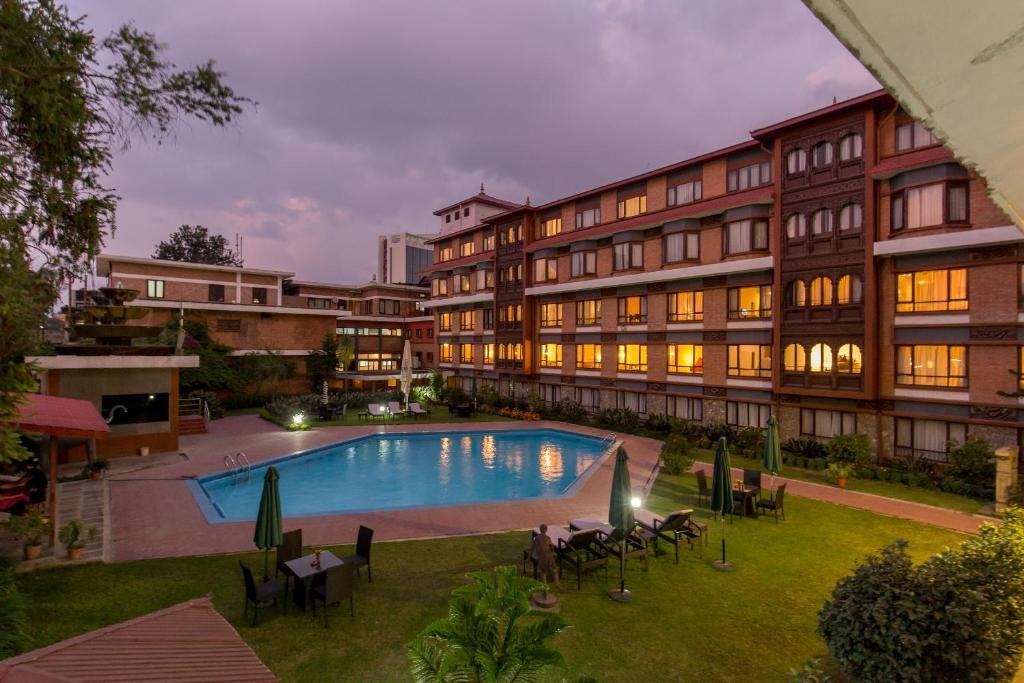 Kathmandu · 4 Nights
CAT’s Kathmandu base since Doug Scott himself stayed here on his earliest expeditions. Private rooms with en-suite bathrooms, Wi-Fi, and excellent breakfast, in a quiet garden setting close to Thamel.
Simple, locally-owned lodges in Machhakhola, Jagat, Phillim, Lokpa, Chumling and on the return route. Twin sharing, communal dining, and warm local hospitality.
In Chumchet, Chhokang Paro and Nile, you’ll stay directly with local Tsumba families — sharing meals, salt-butter tea, and daily life in one of Nepal’s most culturally distinct valleys. This is the experience. Sleeping bag essential throughout.
What you need to know before you book
This is a Demanding grade trek. While the altitude is lower than Manaslu or Everest, the trip’s length (19 days) and remoteness mean you should be comfortable walking multiple consecutive days on rough mountain terrain. No technical climbing is required.
Tsum Valley is a government-designated Restricted Area. Independent trekking is not permitted — a registered guide and special permit are mandatory by law. We handle all permit arrangements as part of your booking.
Tsum Valley was only opened to foreign trekkers in 2008 and remains one of the least-visited regions in Nepal. The Tsumba people maintain a distinct Tibetan Buddhist culture — please dress and behave respectfully near monasteries and sacred sites.
The majority of our guests travel solo and love it. Homestays and lodges are shared accommodation on a twin sharing basis. Small groups and the shared experience of this remote valley create bonds that typically outlast the trek itself.
Spring (March–May) and Autumn (October–December) are the ideal windows. Spring offers rhododendron blooms in the lower valley; autumn brings the clearest mountain views after the monsoon. We avoid the monsoon months of June–September.
Layering matters throughout, with temperatures dropping well below freezing at Nile and Chhokang Paro. A quality sleeping bag is essential for the homestay sections. Your main pack is carried by porters — you carry only your day pack.
What our trekkers say
“Tsum Valley felt like stepping into a different century. Staying with local families, visiting the CAN health posts along the way — this is exactly the kind of travel that actually means something.”
“We barely saw another trekking group the entire trip. The homestays were the highlight — sharing salt-butter tea with our hosts in Chhokang Paro is something I’ll never forget.”
“Seeing the CAN project sites in person, meeting the staff and communities they support — it completely changed how I thought about ‘trekking with purpose.’ This wasn’t a slogan, it was real.”
Add your Sherpa
guide photo here
Led by someone who knows every step
Every CAT trek is led by an expert guide with deep roots in the region. Tsum Valley demands a particular depth of local knowledge — understanding of Tsumba customs, monastery etiquette, and the CAN project relationships built up over years working in this valley.
Your guide is fluent in English, experienced in Restricted Area trekking, and personally connected to the communities and CAN teams you’ll meet along the way — the same relationships that make this trek possible at all.
Important notes
Tsum Valley sits within a government-designated Restricted Area, meaning independent trekking is not legally permitted — every visitor must trek with a registered guide from a licensed agency and hold a special entry permit. This is exactly why the valley has remained so quietly untouched compared to more accessible regions of Nepal.
We handle the full permit process as part of your booking, including registration at the official checkpoints in Jagat on both the way in and out. There is typically a minimum group size requirement under Restricted Area regulations — we’ll confirm exact requirements once your departure is finalised.
Spring and autumn are the two recommended trekking windows. Autumn (October–December) brings clear, stable post-monsoon skies and excellent mountain visibility, with cold nights particularly in Upper Tsum. Spring (March–May) offers rhododendron blooms in the lower valley and generally milder daytime temperatures.
Temperatures vary significantly by altitude — expect warm, humid conditions in the lower Budhi Gandaki valley near Machhakhola, dropping to well below freezing overnight at Nile and Chhokang Paro. Warm layers, a quality sleeping bag and good gloves are essential for the homestay sections of the trek.
All travellers to Nepal require a valid passport with at least six months’ validity beyond your expected departure date. A tourist visa is required and can be obtained online in advance via the Nepal Department of Immigration website, or on arrival at Tribhuvan International Airport in Kathmandu.
If obtaining your visa on arrival, bring the current fee in cash plus two passport-sized photographs. Additional photographs are required for your Restricted Area permit, which we arrange on your behalf — bring a few spares to be safe.
Comprehensive travel insurance with helicopter evacuation cover is mandatory on this trek. Tsum Valley is genuinely remote, and helicopter evacuation is the only realistic option in the event of a serious medical emergency in Upper Tsum.
Your policy must explicitly cover trekking in remote, restricted areas at altitude, and must include emergency helicopter rescue and medical evacuation. Providers such as Battleface, True Traveller and World Nomads offer suitable adventure travel policies. We will ask you to confirm your insurance details before departure.
International flights to and from Kathmandu (KTM — Tribhuvan International Airport) are not included and are booked independently. We recommend arriving the evening before Day 1 where possible to give yourself time to clear immigration and settle in before the trek begins.
The trek begins with a full-day 4WD drive from Kathmandu to Machhakhola — there is no internal flight required for this trek. All transfers throughout the trip are included and arranged by us. Once you have booked, please share your arrival and departure details and we will arrange your airport transfer from the moment you land.
Kathmandu has an excellent range of restaurants covering most tastes and dietary requirements. On the trail, the national dish is Dhal Bhat — a wholesome thali-style meal of rice, lentils, vegetables and local chilli, generously portioned and typically refilled without being asked.
Menus in Lower Tsum lodges are similar to other trekking regions — noodle soups, fried rice, pasta and omelettes are widely available. In Upper Tsum homestays, meals are more traditional and simpler, reflecting what the host family themselves eat. Vegetarians are generally well catered for; please let us know of any specific dietary requirements at the time of booking, particularly for the homestay sections where options are more limited.
Most trekking days involve 4–7 hours of walking, departing after breakfast at around 07:30–08:00. Porters carry your main pack ahead to the next lodge or homestay, so you walk with just a light daypack.
We stop regularly for water, snacks and to take in the scenery — the pace is set to keep the whole group comfortable together, not to rush. In homestay villages, evenings often include time spent directly with your host family, a genuinely different rhythm from a standard teahouse trek.
Tsum Valley reaches a maximum altitude of 3,361m at Nile — lower than many other CAT treks, but altitude sickness can still affect anyone regardless of fitness level, and we take it seriously throughout. Symptoms can begin as low as 2,400m and include headache, nausea, fatigue and disrupted sleep.
Our itinerary includes a dedicated acclimatisation day at Chumling before you continue higher into Upper Tsum. If you feel unwell at any point, tell your guide immediately — descending even a short distance is often enough to resolve early symptoms.
This is a Demanding grade trek, primarily due to its length (19 days, 12 trekking days) and remoteness rather than extreme altitude. You should be comfortable walking 4–7 hours per day on rough mountain terrain over multiple consecutive days, with a solid base of general fitness built up in the months before departure.
If you are in any doubt about your readiness, book a free call with us and we will give you an honest assessment.
Tipping is an important part of the local economy in Nepal and warmly appreciated by your guide, porters, and homestay families. It is entirely voluntary but very much the norm. Bring small denomination USD or Nepali Rupees in cash — cards are not accepted on the trail, and cash availability becomes very limited above Machhakhola, so withdraw enough in Kathmandu before departure.
Almost everything is included in your trip cost — accommodation, full board on the trail, all transfers, and all permits. Your main additional expenses will be drinks and personal snacks beyond what’s provided, food in Kathmandu (not included), and any shopping or optional activities in the city.
Nepal is very affordable by Western standards. There are no banking facilities once you leave Kathmandu — withdraw enough cash before the drive to Machhakhola.
The majority of our guests travel solo, and Tsum Valley in particular tends to create especially strong bonds within a group given the intimacy of the homestay experience. Shared twin accommodation is included as standard throughout. If you would prefer your own room in Kathmandu, a private room upgrade is available — please ask at the time of booking.
We understand that life is unpredictable. Our full cancellation terms are outlined in our Terms and Conditions. We strongly recommend taking out travel insurance that includes trip cancellation cover at the time of booking, not just before departure.
Tsum Valley is one of our most unique itineraries. Whether you have questions about the Restricted Area permit, the homestay experience, or what it’s really like to visit the CAN projects along the way — we’re here. No sales pressure. Just honest answers.
Or email us at hello@catreks.com — we reply within 24 hours.