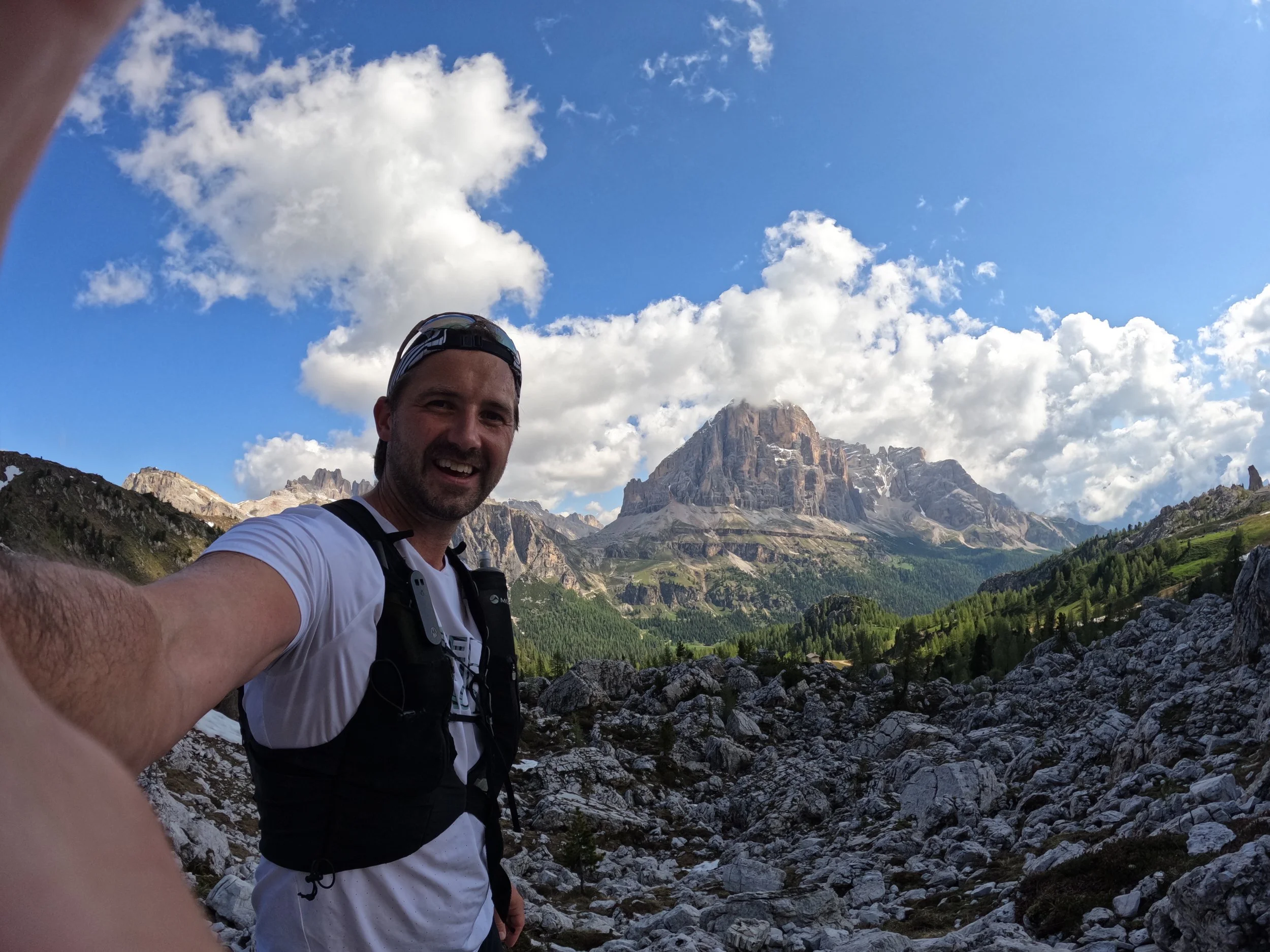
How to Prepare for Everest Base Camp: The Honest Guide
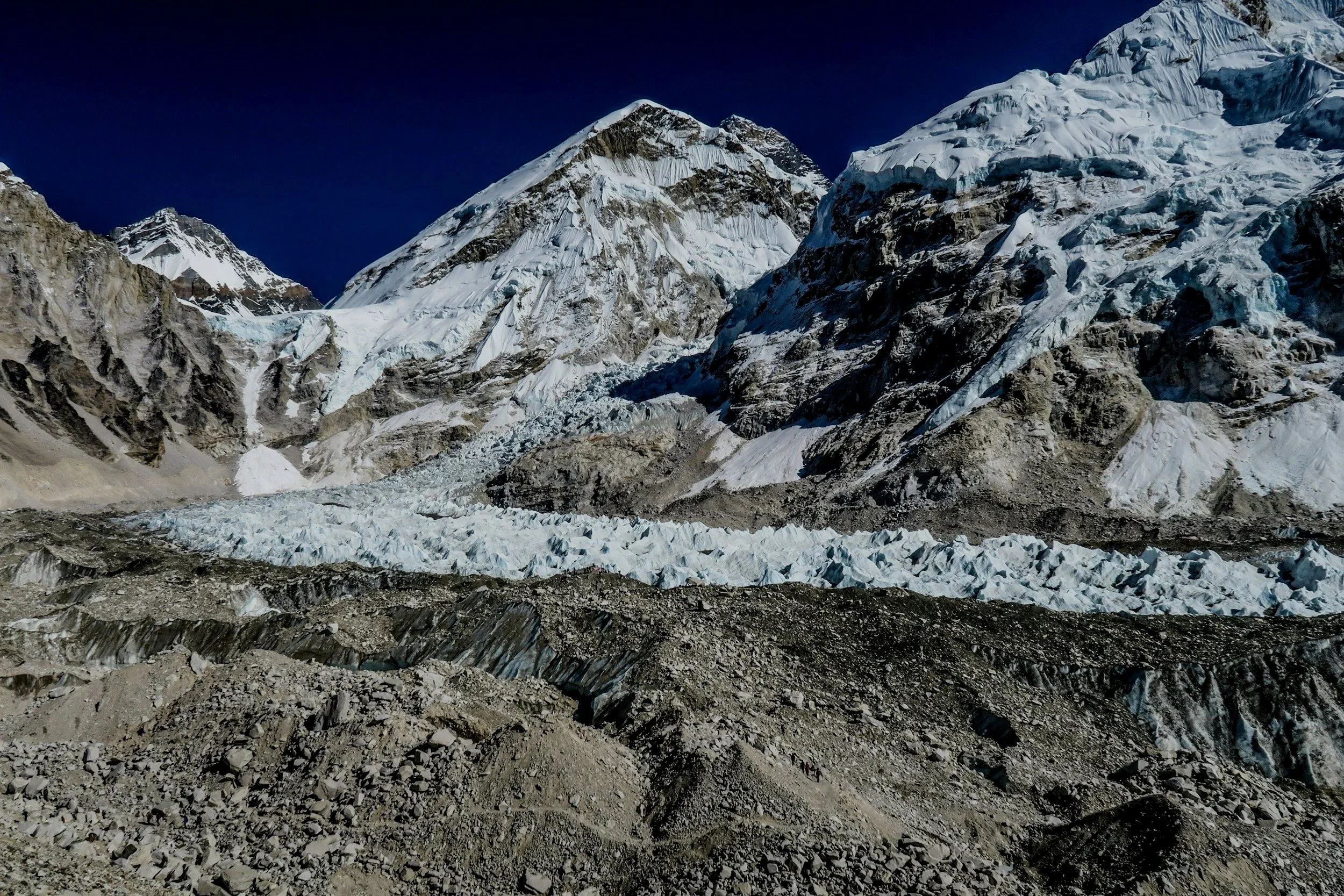
Everest Base Camp doesn't require mountaineering skill, and you don't need to be an athlete. What it does require is honest preparation — the right kind of fitness, a realistic understanding of altitude, and knowing what actually matters versus what's just kit-list noise. Here's what sixteen days in the Khumbu really demands, without the sales pitch.
Everest Base Camp is the trek everyone's heard of, and for good reason — but it's also the one most surrounded by myth. Some people arrive convinced they need marathon-level fitness; others assume it's a gentle walk because "it's not technical." Neither is quite right. This guide covers what genuinely matters: training, altitude, kit, and mindset.
The fitness you actually need
Most days on the EBC trail involve 4-7 hours of walking at a gentle-to-moderate pace, with steady but not extreme elevation gain. The physical demand is more about endurance than power — being comfortable on your feet for a full day, repeated for nearly two weeks. Regular hill walking, stair climbing with a loaded pack, and building a base of cardio fitness over the 2-3 months beforehand will serve you far better than a sudden fitness blitz the month before you fly.
Altitude: the honest truth
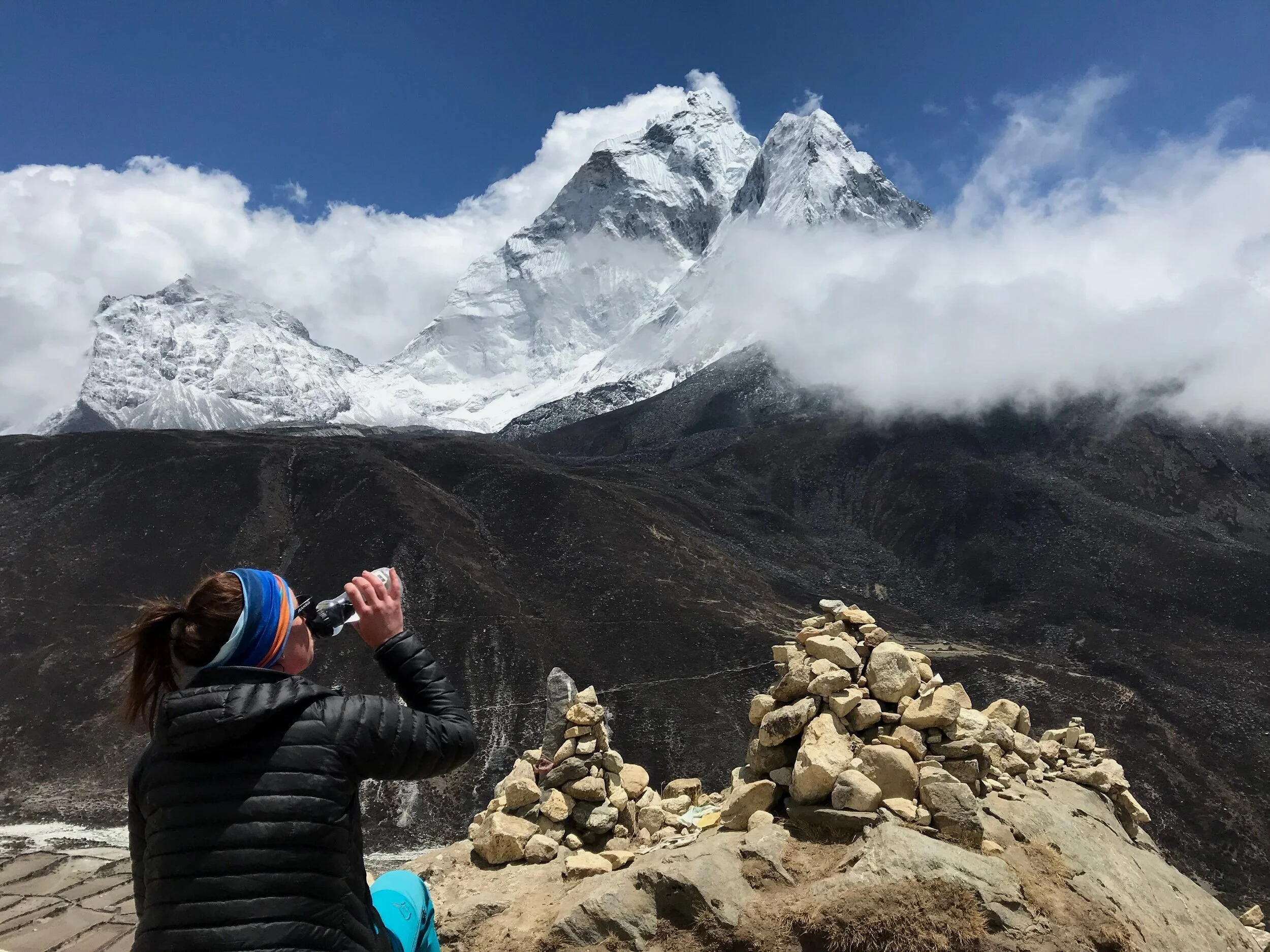
This is the part people underestimate most. Altitude sickness isn't primarily about fitness level — it's about ascent rate, and it can affect trekkers of any fitness background. Our itineraries are built with proper acclimatisation days at Namche Bazaar and Dingboche, following the "climb high, sleep low" principle. Listen to your guide, drink more water than feels necessary, and never push through symptoms like persistent headache, nausea or dizziness without telling your guide immediately.
"I trained for months worrying about my legs. The thing that actually mattered was going slowly enough on the acclimatisation days and drinking way more water than I thought I needed." — CAT Himalaya guest
Packing: what matters, what doesn't
A proper down jacket, a good sleeping bag rated for well below freezing, broken-in boots, and a reliable layering system matter far more than any piece of "expedition" gear you don't actually need for a teahouse trek. Teahouses provide bedding of varying quality, so bringing your own sleeping bag liner and a warm bag is non-negotiable. We provide a full kit list once you book, but the short version: invest in your feet and your warmth, and don't overthink the rest.
The mental side nobody talks about
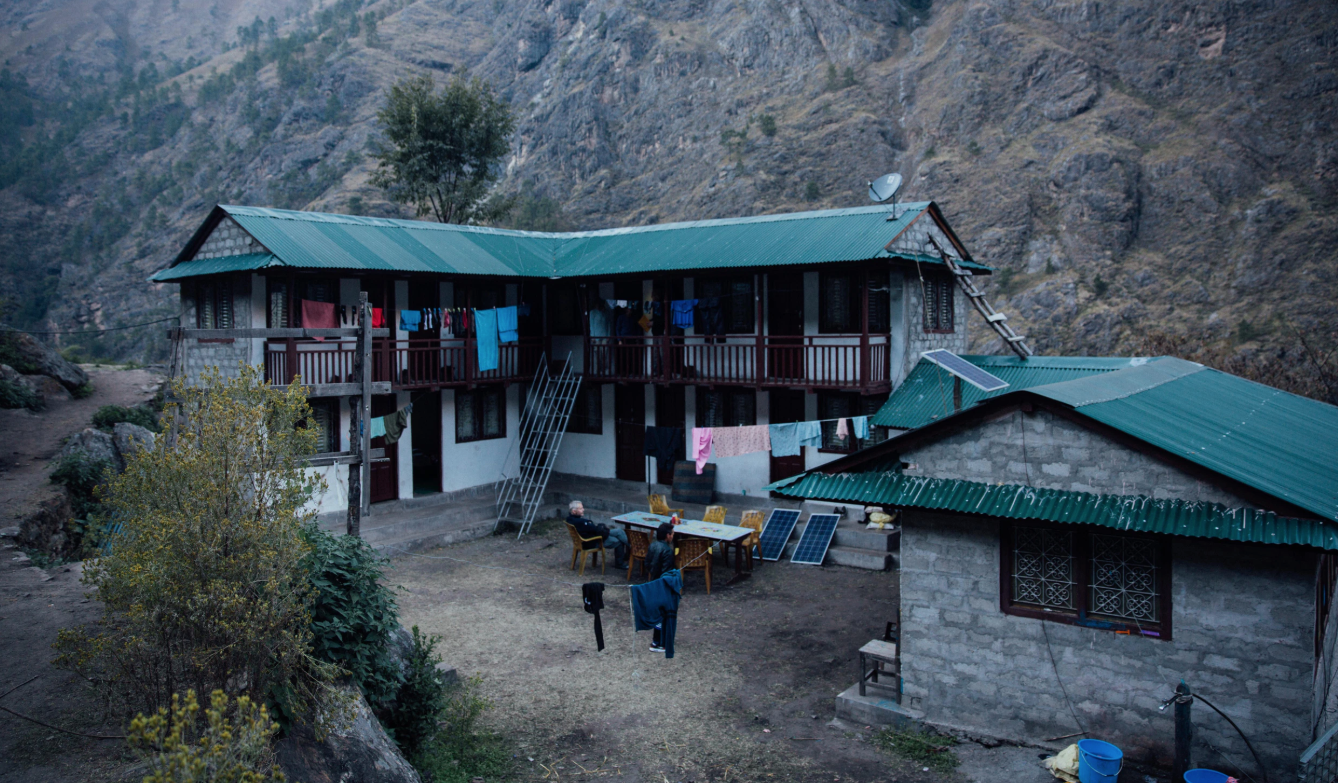
Long trekking days, cold nights, and the physical effects of altitude (reduced appetite, disrupted sleep) add up over two weeks. The trekkers who struggle most aren't usually the least fit — they're the ones who didn't expect the trip to be mentally tiring as well as physically. Going in with realistic expectations, and travelling with a small, well-supported group, makes a genuine difference to how the trip actually feels day to day.
Why the operator you choose matters here more than most treks
EBC is popular enough that it's easy to book with an operator focused purely on volume. We keep groups capped at 12, use the same expert Sherpa guides who know exactly how to manage pacing and altitude on this specific route, and every booking includes a direct £50 per person donation to Community Action Nepal — visible on your confirmation, not buried in the price.
Ready to start training?
If Everest Base Camp is on your list, the best time to start preparing is now — not the month before departure. Get in touch and we'll talk through fitness, timing, and what to expect.
Walk to the foot of the world's highest mountain
16 days, expert Sherpa guides, small groups capped at 12, and a £50 CAN donation on every booking.